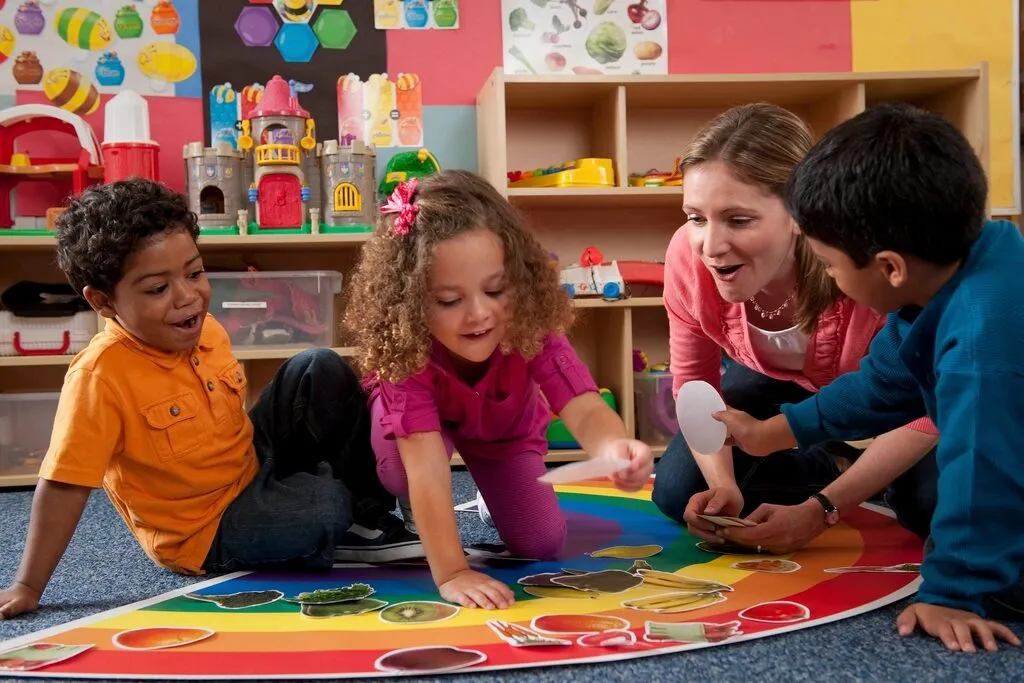
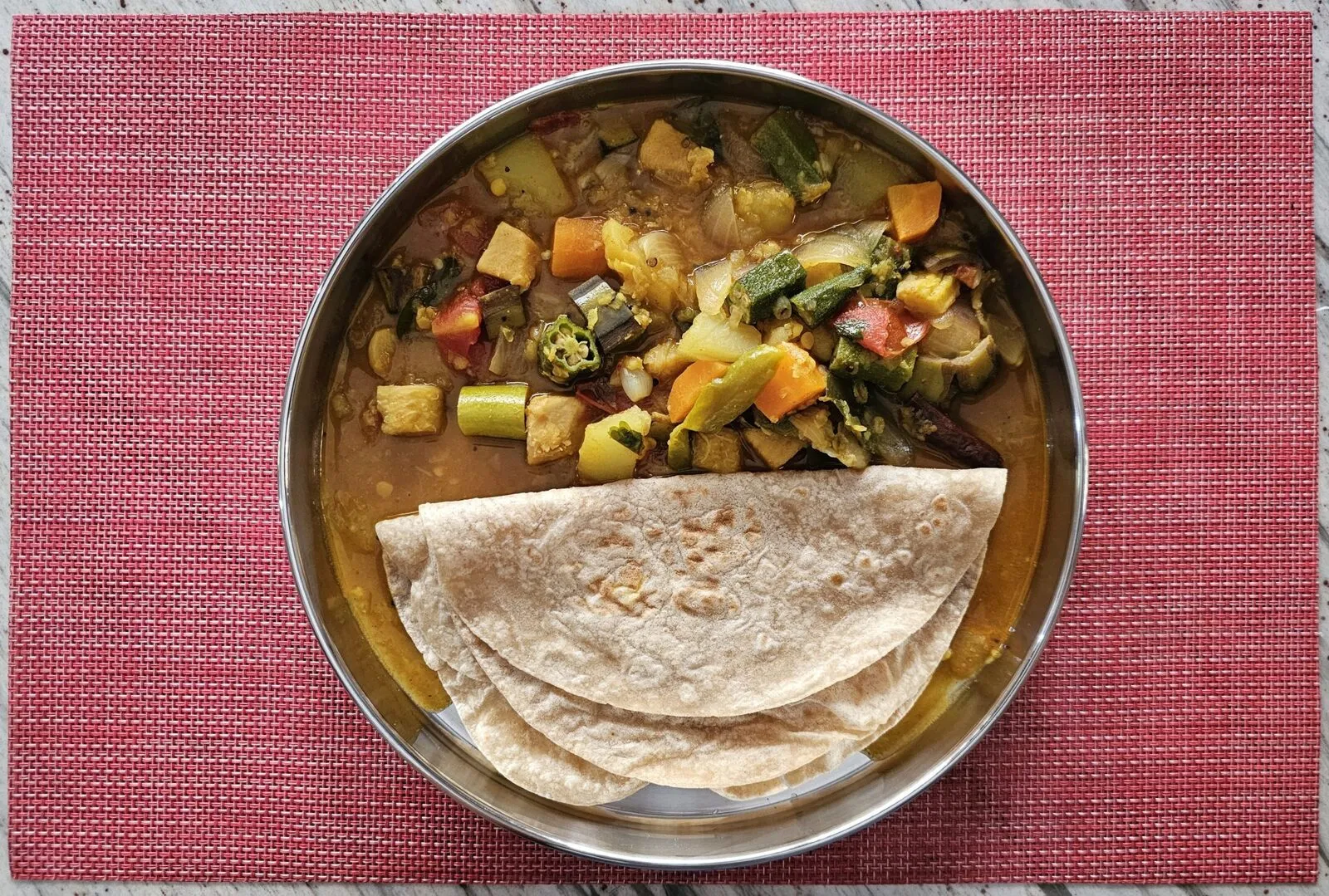
Pouring water, counting idlis, matching socks: simple jobs at home that build maths, language and independence, with ideas for ages 2 to 6.
5 min read
The Crossmaze team
Watch a two-year-old pour water from a small jug into a steel tumbler: the tongue pokes out, the whole body goes still, and a little splash lands on the tray. That is real learning, and your home is full of moments like it.
Why small jobs are big learning
Pouring, sorting, wiping and carrying look like simple chores to us. To a young child they are puzzles to solve with hands, eyes and the whole body. Maria Montessori called this kind of work practical life, and it is still a core part of Montessori classrooms today.
Each small job quietly builds something:
Fine motor control: pouring, pinching pegs and shelling peas work the same small hand muscles a child will later use to hold a crayon and a pencil
Early maths: counting, matching, and sorting by colour or size
Language: new words for what they see, touch and smell
Concentration: a task with a clear beginning and end holds attention
Independence: the quiet pride of “I did it myself”
At Crossmaze, learning is Montessori-based, practical and hands-on, because children under five learn best by seeing and doing. Home is a natural place to keep that going.
In the kitchen
The kitchen is full of real work, and children love real work.
Pouring: put a small steel jug with a little water and a tumbler on a tray. Spills are part of the lesson, so keep a cloth nearby and show how to wipe up
Counting idlis: “How many idlis for Appa? How many for you?” Count them onto the plates, then count again as they disappear
Sorting vegetables: potatoes in one basket, onions in another, tomatoes in a third. Ask which is the heaviest, the smoothest, the biggest
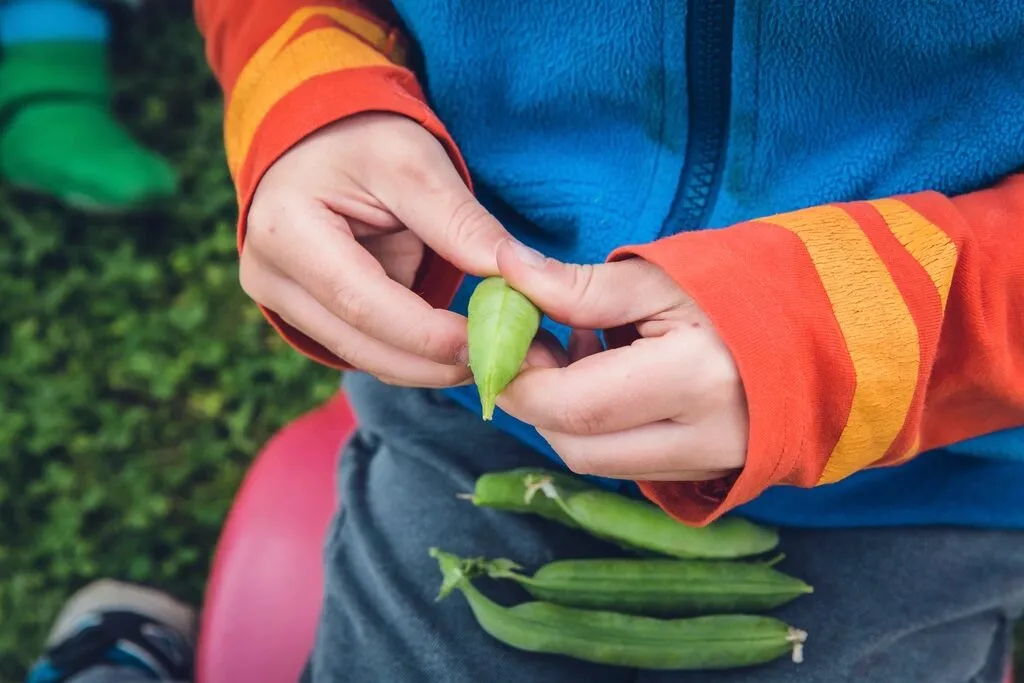
Washing and picking: rinsing fruit, shelling peas or picking coriander leaves off the stalks is slow, satisfying work for busy fingers
Talk while you cook. Name what you are doing (“I’m stirring the dal”, “Look, the chapati is puffing up”), ask what they can smell, and let them guess what comes next. This easy running chatter is one of the simplest ways to give a child new words.
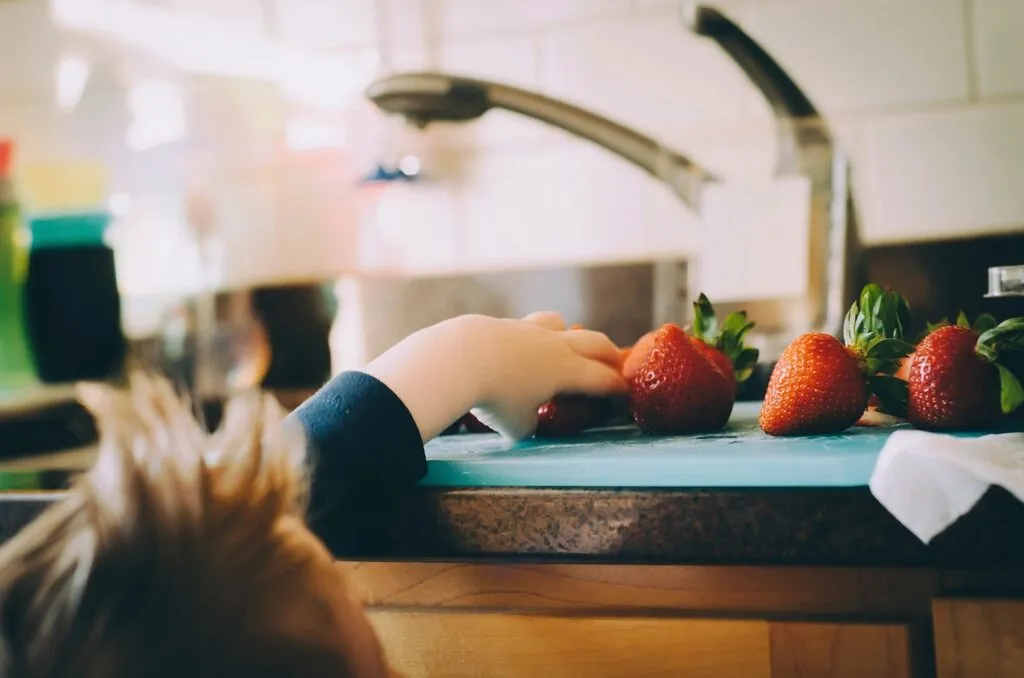
A small hand reaching for strawberries on a chopping board by the kitchen sink. Rinsing fruit is a good first kitchen job.
A job done imperfectly with pride is worth more than one done perfectly by you.
Around the house
Laundry by colour: before clothes go into the machine, sort them into piles of whites, darks and colours. Later, hunt for everything blue
Matching socks: a basket of clean socks is a ready-made matching game. Pair them, count the pairs and find the odd one out
Laying the table: one plate, one tumbler and one spoon for each person. It is counting with a purpose, and it tells a child they are helping the family
Putting things back: a low shelf or basket for toys and shoes means a child can tidy up without help
Grandparents at home are often wonderful at this: patient, unhurried and full of stories to tell while the work gets done.
Balcony, garden and the shops
Watering plants: a small mug or watering can, one pot at a time. Talk about which plant looks thirsty and how the soil changes after a Bengaluru shower
Counting steps: count the stairs up to your flat or the steps to the gate. Count backwards on the way down for a challenge
A picture shopping list: draw or cut out pictures of tomatoes, bananas and milk. Your child holds the list and ticks off each item at the shop
Noticing: the colours at the vegetable cart, the numbers on the gates, the shapes of leaves on the walk home
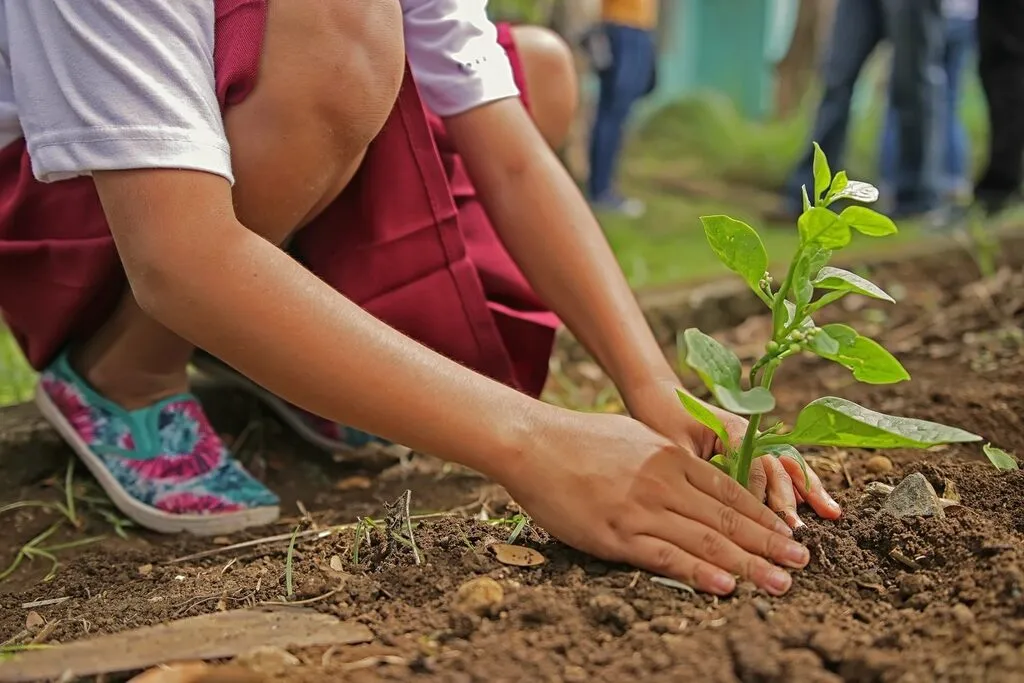
A child pressing soil around a young plant. Looking after plants teaches patience and gentle hands.
Ideas by age
Every child learns at their own pace, so treat these as starting points rather than milestones.
Two to three years
Pour water between two small jugs over a tray
Put spoons in the drawer and socks in the basket
Name vegetables as you unpack the shopping
Water one plant with a small mug
Three to four years
Sort laundry or vegetables by colour
Match socks and count the pairs
Count idlis, chapatis or stairs up to ten
Lay the table for two or three people
Four to six years
Help plan a meal and make a picture shopping list
Share things out fairly: “Six biscuits, three people. How many each?”
Measure rice or dal with a cup for cooking
Look after a plant of their own and notice how it changes each week
Keeping it safe and calm
Stay close whenever water is involved, and never leave a small child alone with a bucket or tub of water
Keep little ones away from the hob, hot pans, pressure cookers and sharp knives
Choose objects too big to fit in a small child's mouth, and watch closely when food is part of the job. The American Academy of Pediatrics advises keeping high-risk foods such as whole grapes, nuts, popcorn and chunks of raw vegetable or fruit away from children until at least age four
Keep cleaning products and medicines out of reach, even when your child is “helping”
Go slowly and expect some mess. A job done imperfectly with pride is worth more than one done perfectly by you
If you are unsure what suits your child, talk to your paediatrician.
Visit us
See Crossmaze for yourself
Tour the classrooms, meet the teachers and find the right program for your child.