Choosing a preschool: what to look for and what to ask
Visiting preschools? What to look for in the rooms, the questions worth asking, and why your own gut feeling counts.
Calm, no-pressure ideas for the child who pushes the beans to the side: small portions, eating together and a colourful thali.
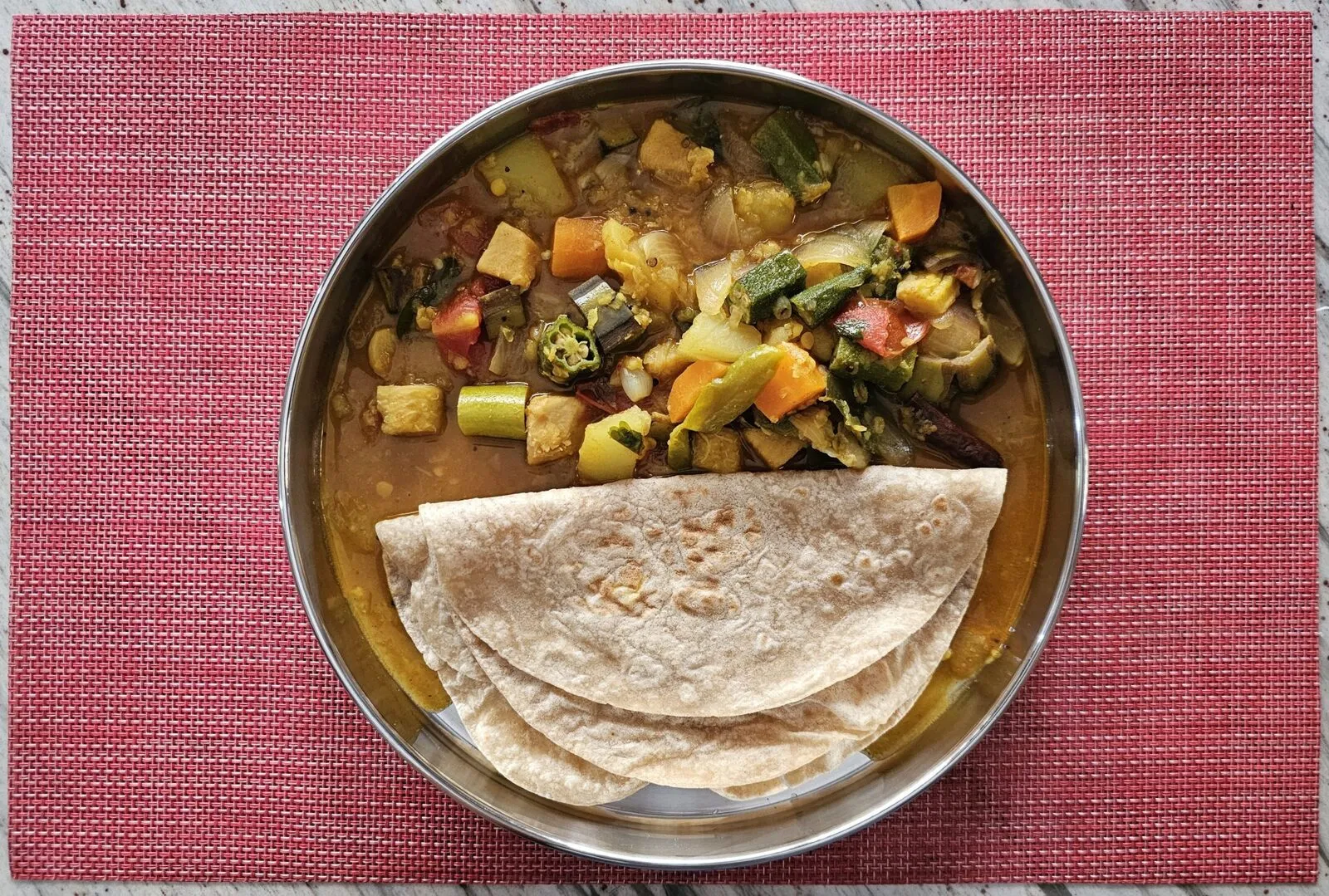
The dal is going cold, the chapati has been torn into twenty pieces and not one has been eaten. If mealtimes with your little one feel like a daily tug of war, you are not alone, and a calmer table usually helps more than a cleverer trick.
Choosy eating is common in the toddler and preschool years. The NHS, the UK's health service, says it is perfectly normal for toddlers to refuse new foods, and that it helps to look at what your child eats over a week rather than in a single day. Tastes change, too.
A helpful way to share the job: you decide what is served, when and where; your child decides whether to eat it and how much. This idea, called the division of responsibility, comes from the American dietitian Ellyn Satter. It lets you stop counting mouthfuls and lets your child listen to their own hunger.
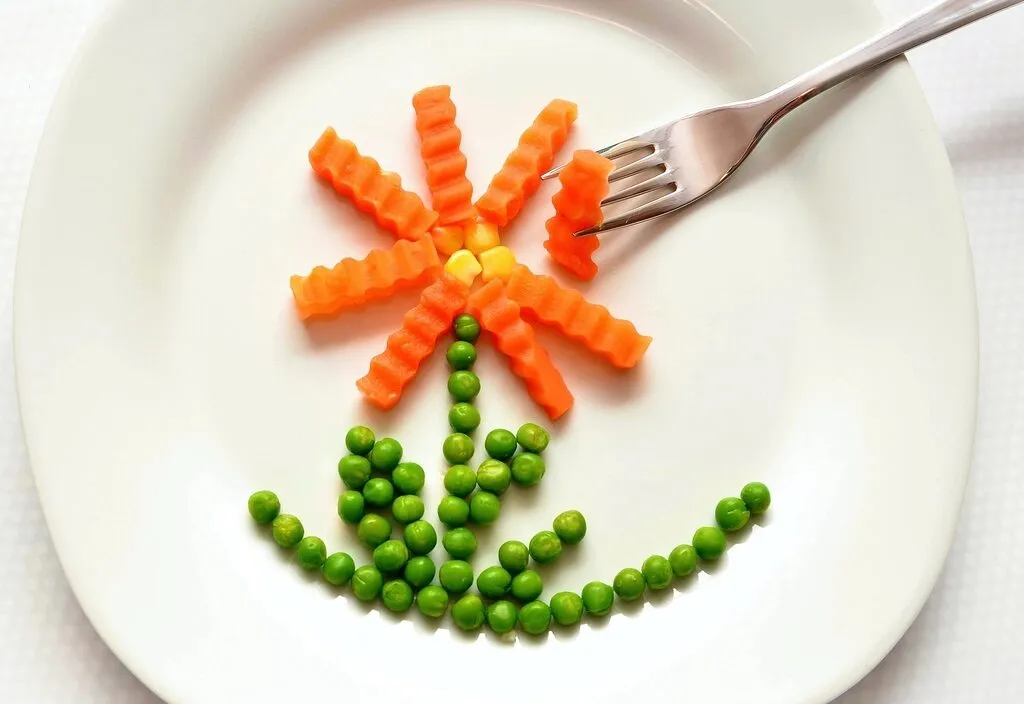
A full plate can look like a mountain to a three-year-old. Start with a spoonful of each thing and let them ask for more.
If a food is refused, don't make a fuss and don't give up on it. The NHS says it may take lots of attempts before a child accepts some foods. Put two or three green peas or a thin slice of carrot on the plate again next week, and the week after. Touching, smelling and licking a food all count as progress.
New foods feel safer next to old friends. Put a little of something new beside a food your child already enjoys, so there is always something on the plate they are happy to eat.
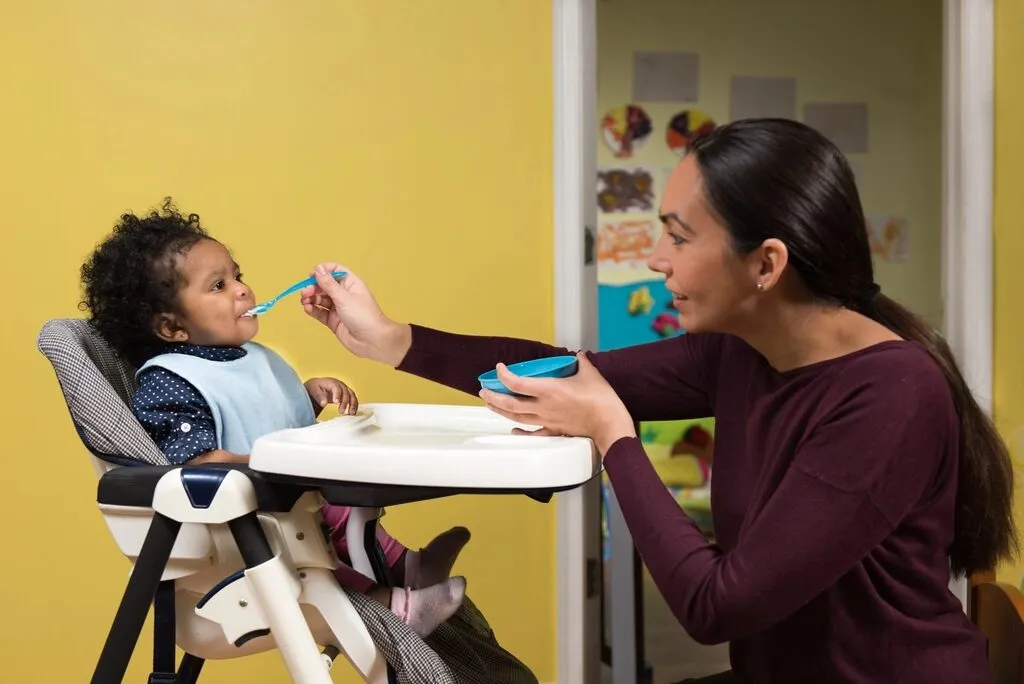
Children copy what they see. The NHS calls copying you the best way for a child to learn to enjoy new foods. When parents, grandparents or older cousins sit down and eat the same food, a child is more likely to try it than when they eat alone.
You don't need a family dinner every night. Even one shared meal a day, or a weekend breakfast of dosa together, gives your child a chance to watch you eat, talk about the food and see that new tastes are nothing to worry about.
Children are much more curious about food they have touched. Give your little one a real job in the kitchen:
At Crossmaze we believe children under five learn best by seeing and doing, and the kitchen is a lovely place for it. Safety first: keep little hands away from the stove, hot oil, pressure cookers and knives, and stay beside them the whole time.
"Two more bites and you can have a chocolate" can work tonight, but it teaches that vegetables are a chore and sweets are the prize. The NHS advises against using food as a reward; a trip to the park or a game together works better.
Screens are tempting too, because a child watching cartoons will open their mouth without thinking. But a distracted child is less likely to notice the taste, or when they are full. Keep phones and the TV off at meals, for grown-ups as well, and talk about the food instead: its colour, its crunch, where it came from.
A child who has been nibbling biscuits all afternoon won't be hungry for dinner. The NHS suggests three meals a day for young children, with up to two healthy snacks in between. A simple, regular rhythm like this helps your child come to the table hungry.
Good snacks can be simple: a banana, a few pieces of guava, a small bowl of poha or a slice of chapati with ghee. Choking safety: the NHS advises cutting small, round foods such as grapes and cherry tomatoes into quarters, and not giving whole nuts to children under five. Have your child sit down to eat, and stay with them while they do.
A steel thali with small katoris turns a meal into a little adventure. Fill a few with bright, simple foods and let your child choose where to start.
Name the colours together and count the katoris. Some days your child will only eat the yellow ones, and that is fine. Exploring is part of learning, and every child gets there at their own pace.
Most choosy eating is a phase, but do speak to your child's paediatrician if:
Your doctor can check their growth and tell you whether anything more is needed. If you are unsure, it is always fine to ask.
Tour the classrooms, meet the teachers and find the right program for your child.
Visiting preschools? What to look for in the rooms, the questions worth asking, and why your own gut feeling counts.
Simple, calm words and everyday habits that help children aged two to six understand body safety and know they can always tell you.
Meltdowns are a normal part of growing up. Calm, simple ways to help children aged 2 to 6 name their feelings and find their way back to calm.