Happy mealtimes with a choosy eater
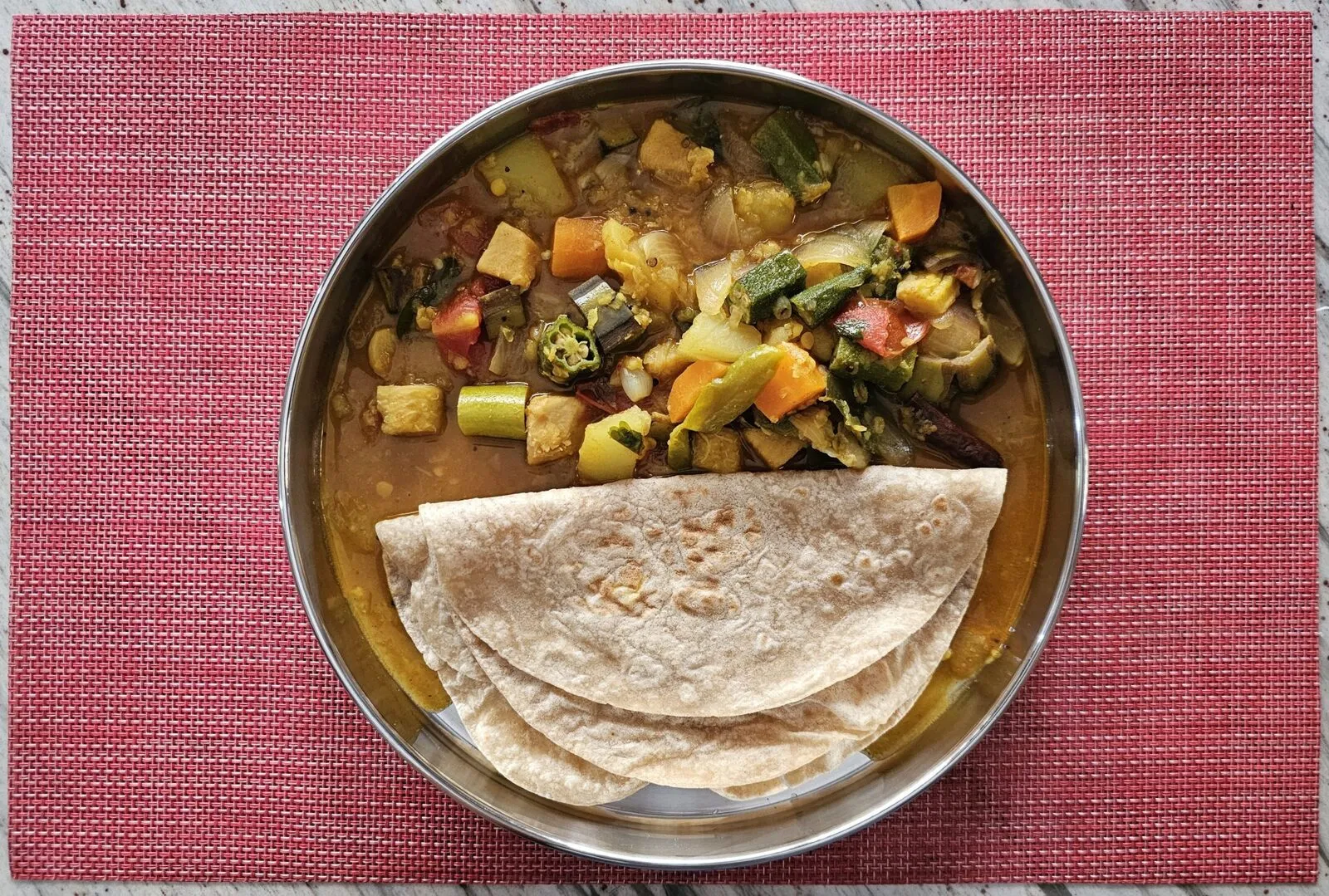
Calm, no-pressure ideas for the child who pushes the beans to the side: small portions, eating together and a colourful thali.
Visiting preschools? What to look for in the rooms, the questions worth asking, and why your own gut feeling counts.
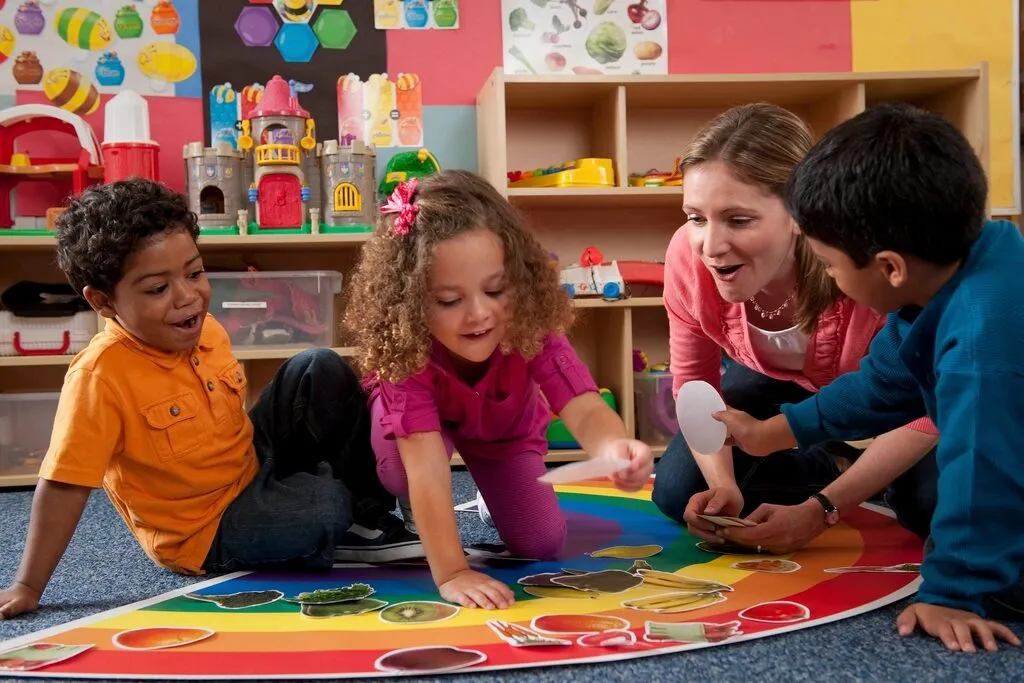
A three-year-old kneels by a low shelf, chooses a tray of wooden pegs and carries it, very carefully, to a mat. Nobody told her to. Small moments like this tell you more about a preschool than any brochure, and you only see them by visiting, so here is what to look for and what to ask when you do.
Most of this you can check with your own eyes. Walk through the rooms slowly, and look at them from a child's height as well as your own.
Don't feel awkward asking to see the toilets or the eating area. A good school will be glad you asked.
Ask for a typical day, then see whether the rooms match it. Young children need a steady rhythm: time to move, time to sit and listen, time to eat and rest, and plenty of time to play.
Look at the walls too. Children's own drawings, each a little different, say more than rows of identical crafts that a grown-up clearly finished.
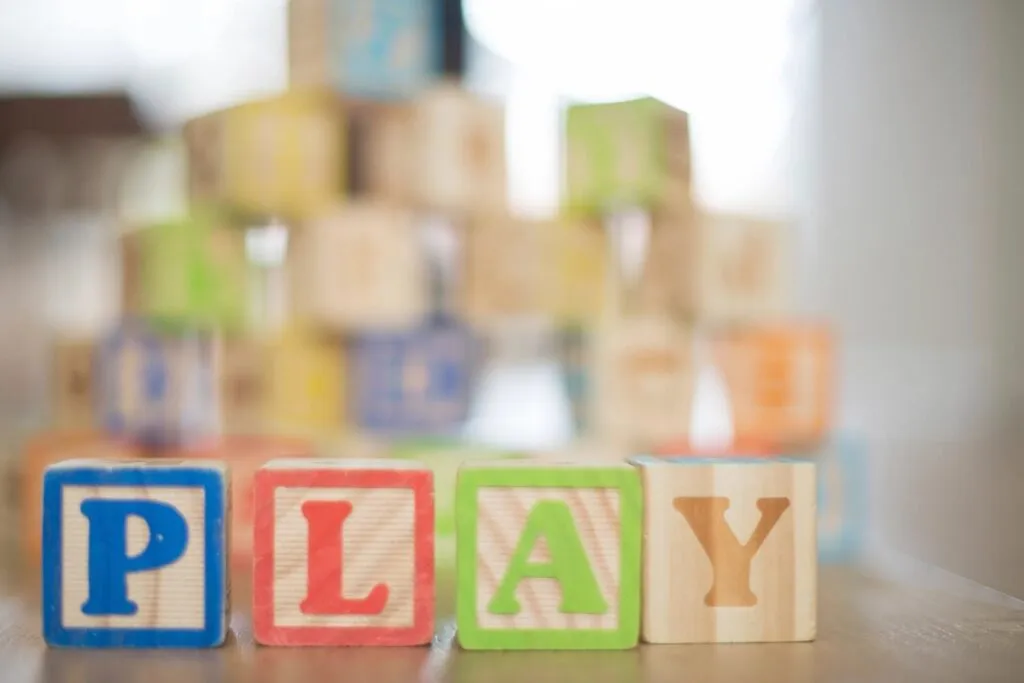
Children under five learn best by seeing and doing. Counting buttons into a bowl, pouring water from one jug to another, or building a tower that falls and trying again teaches more than tracing numbers on a sheet.
Ask how the school introduces early letters and numbers. Listen for words like hands-on, materials, themes and projects. If a three-year-old brings home written homework every day, ask why.
It is fair to want your child ready for big school. Good play-based learning gets them there: it builds concentration, language, the hand strength they will need for writing, and the confidence to have a go.
Warm, unhurried teachers matter more than anything else on this list. Watch how they speak to children. Do they kneel to a child's eye level, use names and wait for the answer? Do they stay calm with a child who is upset?
Questions worth asking:
Rather than looking for one magic number, ask the school to explain its class sizes and adult-to-child ratios, and why they suit each age. Then check that what you hear matches what you see in the room.
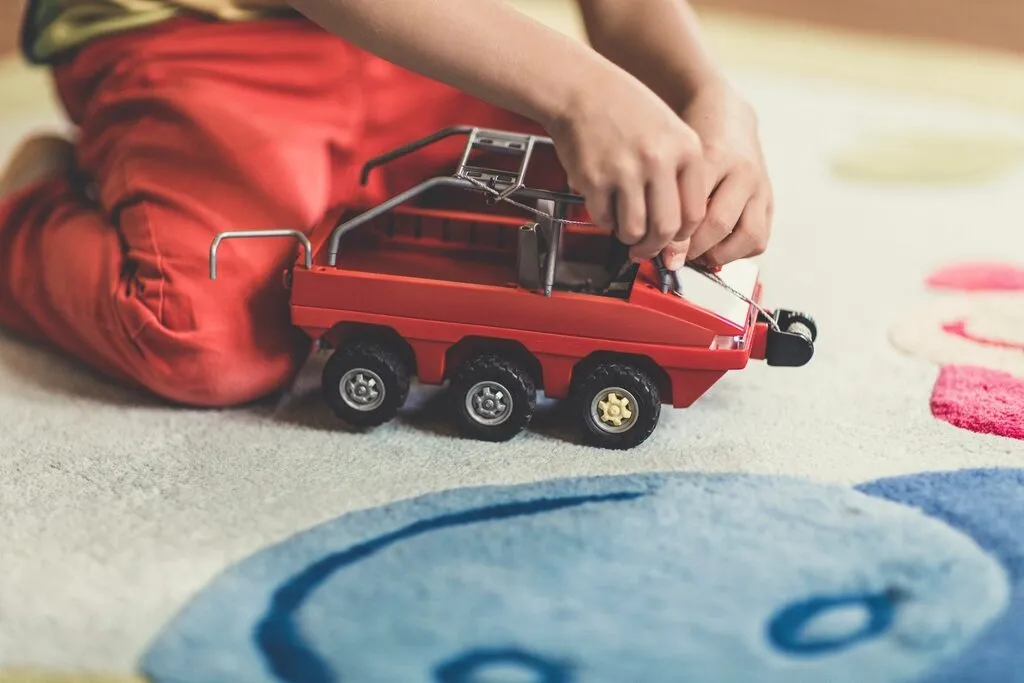
Starting preschool is a big change, and most children need time. Ask how the first week or two are planned.
A school with a clear, gentle plan that doesn't rush you or your child understands that children settle and learn at their own pace.
You will be handing over your child for several hours a day, so you need to know what happens in that time.
Open, honest schools answer these easily. At Crossmaze, for example, families have a parents' app, and day-care parents can see a live CCTV view. Whatever the school, if an answer feels vague, ask again.
Before you leave, stand quietly in a classroom for five minutes. Are the children busy and absorbed? Is there a happy hum, rather than silence or chaos? Do they turn to their teachers easily? Can you picture your own child here?
You know your child best. If a place looks perfect on paper but doesn't feel right, that feeling counts. If it does feel right, that counts too.
We'd love you to bring this list to a Crossmaze centre. Book a visit to one of our five centres in Electronic City and Begur, look around for yourself, and ask us every question on it.
Tour the classrooms, meet the teachers and find the right program for your child.
Calm, no-pressure ideas for the child who pushes the beans to the side: small portions, eating together and a colourful thali.
Simple, calm words and everyday habits that help children aged two to six understand body safety and know they can always tell you.
Meltdowns are a normal part of growing up. Calm, simple ways to help children aged 2 to 6 name their feelings and find their way back to calm.