Big feelings, little people: helping children name and manage emotions
Meltdowns are a normal part of growing up. Calm, simple ways to help children aged 2 to 6 name their feelings and find their way back to calm.
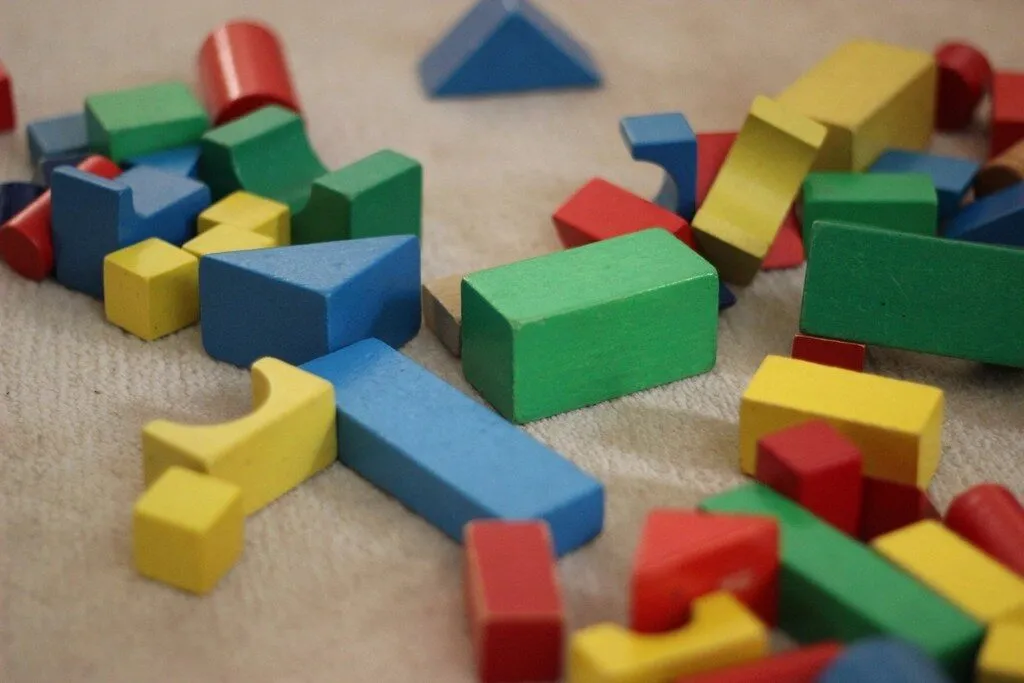
Why “mine!” is a normal stage, why turn-taking comes before sharing, and calm, simple ways to grow kindness in children aged 2 to 6.
Two cousins, one red truck, and suddenly the whole family function can hear about it. Squabbles over toys are a normal part of growing up. With patience and a few simple habits, children slowly learn to wait, take turns, share and care about how others feel.
Around the age of two, children are busy working out that they are a separate person, with their own things. Saying “mine!” and holding on tight is part of that discovery, not a sign of a selfish child. Little ones also live very much in the moment. “Later” means little to a two-year-old, so giving up the truck now seems like giving it up completely.
This changes with time and practice. The American Academy of Pediatrics’ HealthyChildren.org explains that once children reach three, they are usually much less self-centred, and when they play in small groups they learn to share toys and take turns. Many three-year-olds can even sort out a quarrel by taking turns or swapping toys, though grown-ups still need to encourage this, especially at first.
So go gently with your expectations. Sharing is a skill to be learnt, like using a spoon, and nobody gets it right on the first day.
Turn-taking is easier to understand than sharing, because the toy always comes back. Start there.
Older children enjoy easy board games with big dice and a few pieces, where they can practise waiting, winning and losing kindly. Keep small pieces, beads and marbles away from children under three, and stay close whenever little ones play with small objects.

Sharing is a skill to be learnt, like using a spoon, and nobody gets it right on the first day.
Children repeat what we notice. When you see a kind moment, name it plainly: “You gave Ajji the first piece of your dosa. That was kind.” Or: “You waited for your turn on the swing. That was hard, and you did it.” Specific words teach more than a quick “good boy” or “good girl”.
Children also watch what we do far more closely than they listen to what we say. Everyday life gives plenty of chances to show kindness:
When children see the adults around them taking turns to talk, making room for each other and saying sorry, kindness starts to feel normal.
Caring about how someone else feels starts with noticing that they have feelings at all. Stories and pretend play let children practise this safely.
While you read a picture book, pause and wonder aloud: “Look at his face. How do you think he feels? What could his friend do?” A grandparent’s stories, from the Panchatantra or from their own childhood, work just as well.
Pretend play does the same job. Your child might feed a hungry teddy, put a sleepy doll to bed or bandage a soft toy’s sore paw. Join in and add a small problem: “Oh no, Bunny has no plate. What shall we do?” Then let your child find the kind answer.
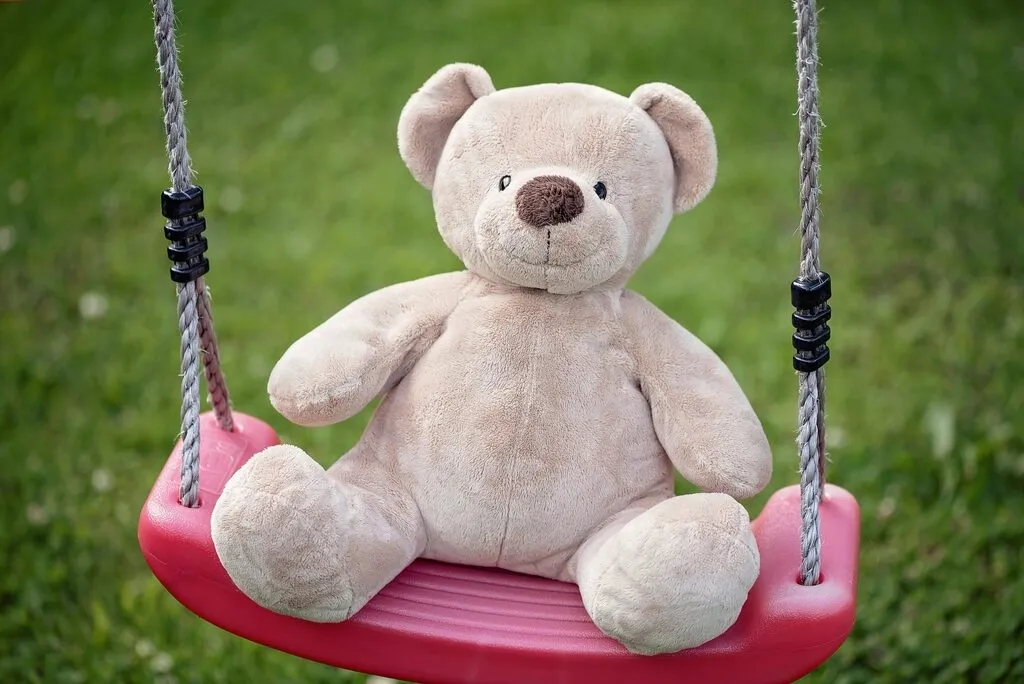
Even with lots of practice, there will be snatching and tears. Stay calm and keep your words short.
Try not to make a child hand over a toy the moment another child asks for it. Waiting for a turn is a fair rule, and children learn more from it than from a grown-up deciding for them. Before visitors come, it is fine to put away one or two special things your child doesn’t want to share, and leave out toys that are easy for everyone to play with.
Skip the long lecture, and never shame a child in front of cousins or friends. A quiet word and a fresh start work better.
Every child learns at their own pace, so think of this as a rough guide, not a checklist.
Preschool is a natural place to practise all of this. At Crossmaze, our thematic curriculum brings personal, social and emotional development together with language, thinking and movement, and in Junior KG, group activities encourage teamwork, sharing and taking turns. We build warm connections between children, parents and staff, and we celebrate every milestone, big or small, including the day a child hands over the red truck all by themselves.
Tour the classrooms, meet the teachers and find the right program for your child.
Meltdowns are a normal part of growing up. Calm, simple ways to help children aged 2 to 6 name their feelings and find their way back to calm.
Pouring water, counting idlis, matching socks: simple jobs at home that build maths, language and independence, with ideas for ages 2 to 6.
Simple, calm habits for the cooler months: washing hands well, covering coughs, enough sleep and knowing when to stay home.