Why a structured routine matters: 5 simple reasons
Five simple reasons a steady daily routine helps children aged 2 to 6 feel safe, manage big feelings and grow in independence, at school and at home.
Simple, calm habits for the cooler months: washing hands well, covering coughs, enough sleep and knowing when to stay home.
The mornings in Bengaluru are cooler, the sniffles are going round, and every little nose seems to be running. You can't keep every cold away, but a few small habits, practised calmly every day, help your child stay well and recover faster.
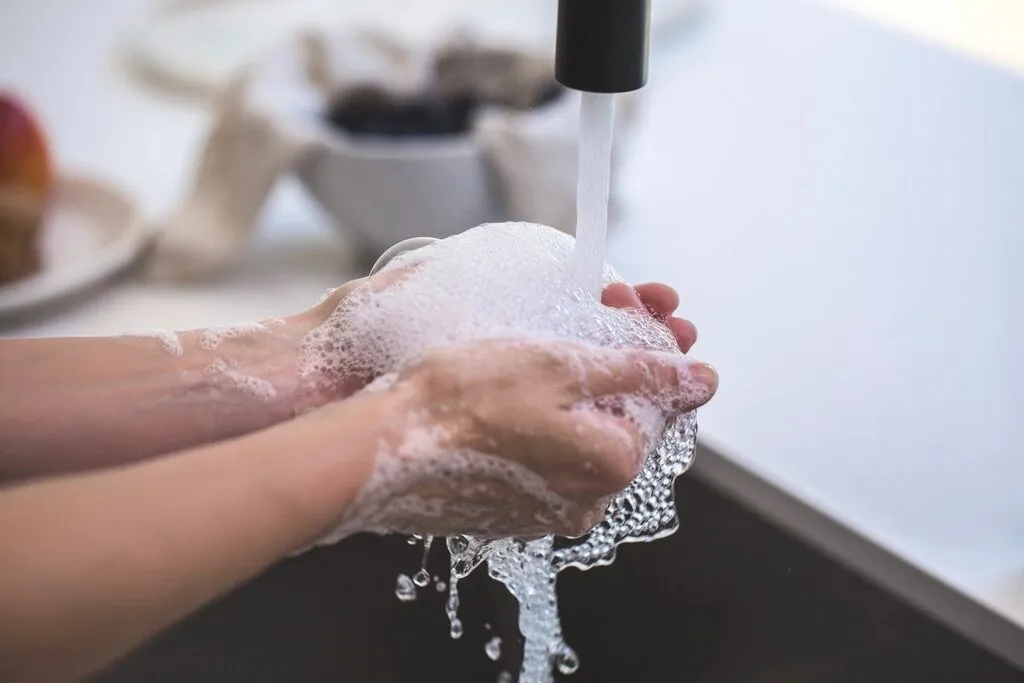
Washing hands is the simplest habit on this list and one of the most useful. UNICEF says good hand hygiene helps protect children against illnesses such as pneumonia and diarrhoea, and it marks Global Handwashing Day every year on 15 October.
The trick is to make it part of the day, not a battle. Wash at the same moments every time, so your child stops asking why.
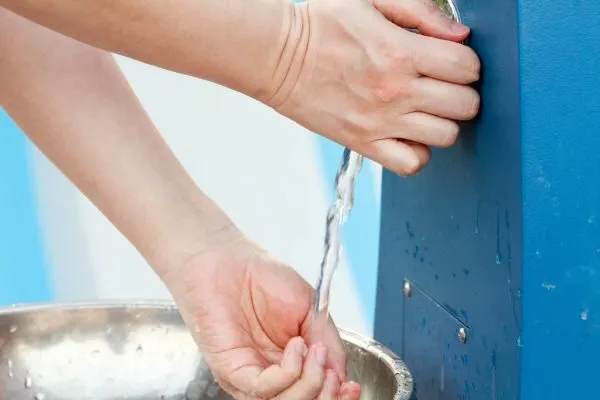
The US Centers for Disease Control and Prevention (CDC) advises scrubbing with soap for at least 20 seconds, and suggests humming a tune twice through as a timer. A rhyme your child already loves works well.
Stand beside your child at the basin, and keep a small stool there so they can reach the tap safely and wash on their own.
A gentle guide by age: two-year-olds need a grown-up's hands over theirs. Three-year-olds can lather and rinse with a little help. By four to six, most children can manage on their own while you watch and sing along. Always stay close to a child at a basin, as wet floors and tall stools are easy to slip from.
According to the CDC, hands should be washed:
At home, add one more: as soon as your child comes in from outside, before they reach for a snack. Plain soap and water is best. The CDC says an alcohol-based sanitiser (at least 60% alcohol) is only for when soap and water are not available. If you use one, rub it on with an adult's help and keep the bottle out of little hands, because swallowing it is harmful.
Little ones cough straight into the air, or into their hands and then onto everything they touch. Teach a simple habit: cough or sneeze into the bend of your elbow, or into a tissue, then wash your hands.
Make it a game. Pretend to be a “sneezing elephant” who tucks the trunk into the elbow. Children copy what they see, so do it yourself too, and keep a box of tissues where your child can reach it.
If your child has a cold, show them how to bin the used tissue and then wash their hands, so the habit finishes properly.
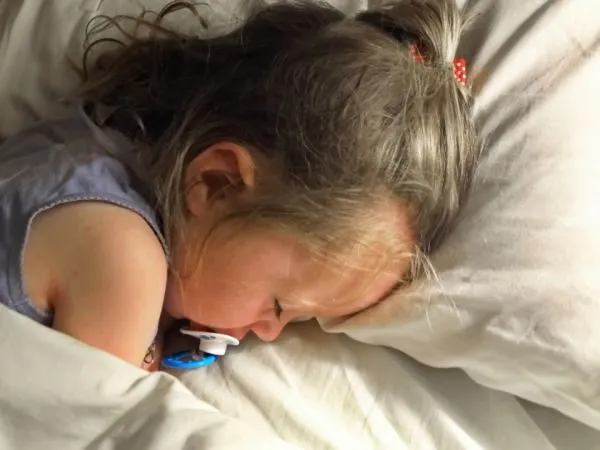
Tired bodies find it harder to cope. The World Health Organization's 2019 guidelines for children under 5 recommend 10 to 13 hours of good-quality sleep a day for children aged 3 to 4, and this can include a nap. They also ask for regular sleep and wake-up times.
In the cooler months, keep bedtime steady, dress your child in light layers rather than heavy ones, and have a calm wind-down with a story and low lights. Every child is different, so if you are worried about your child's sleep, talk to your paediatrician.
Cold germs travel on shared things. The CDC recommends cleaning commonly touched surfaces regularly. At home that means door handles, light switches, the tap, and the tiffin box and water bottle, which should be washed with soap after every school day.
No need for anything fancy: warm water, soap and a clean cloth. Wash soft toys and your child's hand towel often, and give each child their own towel.
The CDC says people who are sick should stay home and away from others to avoid spreading illness. A child with a fever or a heavy cough needs rest, plenty of fluids and quiet, and so do the other children around them.
If your child seems very unwell, or you are unsure, please see your paediatrician. They will tell you what is safe to give, and when your child is ready to return. Never give a child medicine without a doctor's advice. Letting your child's school know why they are away helps, too, so teachers can keep an eye on how the other children are doing.
Tour the classrooms, meet the teachers and find the right program for your child.
Five simple reasons a steady daily routine helps children aged 2 to 6 feel safe, manage big feelings and grow in independence, at school and at home.
What the WHO actually recommends for under-fives, plus easy swaps, screen-free zones and rainy-day ideas for a busy Indian home.
Calm, no-pressure ideas for the child who pushes the beans to the side: small portions, eating together and a colourful thali.