Healthy habits for the cold season: hand-washing, coughs and rest
Simple, calm habits for the cooler months: washing hands well, covering coughs, enough sleep and knowing when to stay home.
Five simple reasons a steady daily routine helps children aged 2 to 6 feel safe, manage big feelings and grow in independence, at school and at home.

Ask any preschool teacher what makes a good day, and they will often say: a good rhythm. Children between two and six are still learning how a day fits together, and a steady routine gives them that picture. Here are five simple reasons it matters, for school mornings and for home.
Young children don't read clocks, so the day can feel like a series of surprises. A steady order of events gives them a map: first we arrive, then we play, then we wash hands and eat. When children know what comes next, they stop spending energy on worrying and have more left for exploring.
This is why a classroom with a clear daily rhythm feels calm even with a dozen busy two- and three-year-olds in it. The same is true at home. You don't need a timetable on the wall. You need the same order, most days.
Many meltdowns happen at the moment of change: the cartoon ends, the park closes, it is time to leave. A child who knows the pattern, and gets a gentle warning, copes far better than one who is surprised.
For a child who finds goodbyes hard, a small repeated ritual, such as a wave at the gate and a special phrase, becomes a comfort in itself. Some children will still cry, and that is normal. A predictable goodbye helps them settle faster.

The World Health Organization recommends 10 to 13 hours of good-quality sleep a day for children aged 3 to 4, which may include a nap, with regular sleep and wake-up times. It also advises no more than one hour a day of sedentary screen time for children aged 2 to 4, and less is better.
A steady rhythm makes both easier. When breakfast, tiffin, lunch and bedtime come at roughly the same times, hunger and tiredness stop being daily surprises. Active play, outdoors when the Bengaluru weather allows, fits best in the same slots each day.
Every child is different, so if you are worried about your child's sleep, appetite or energy, talk to your paediatrician.
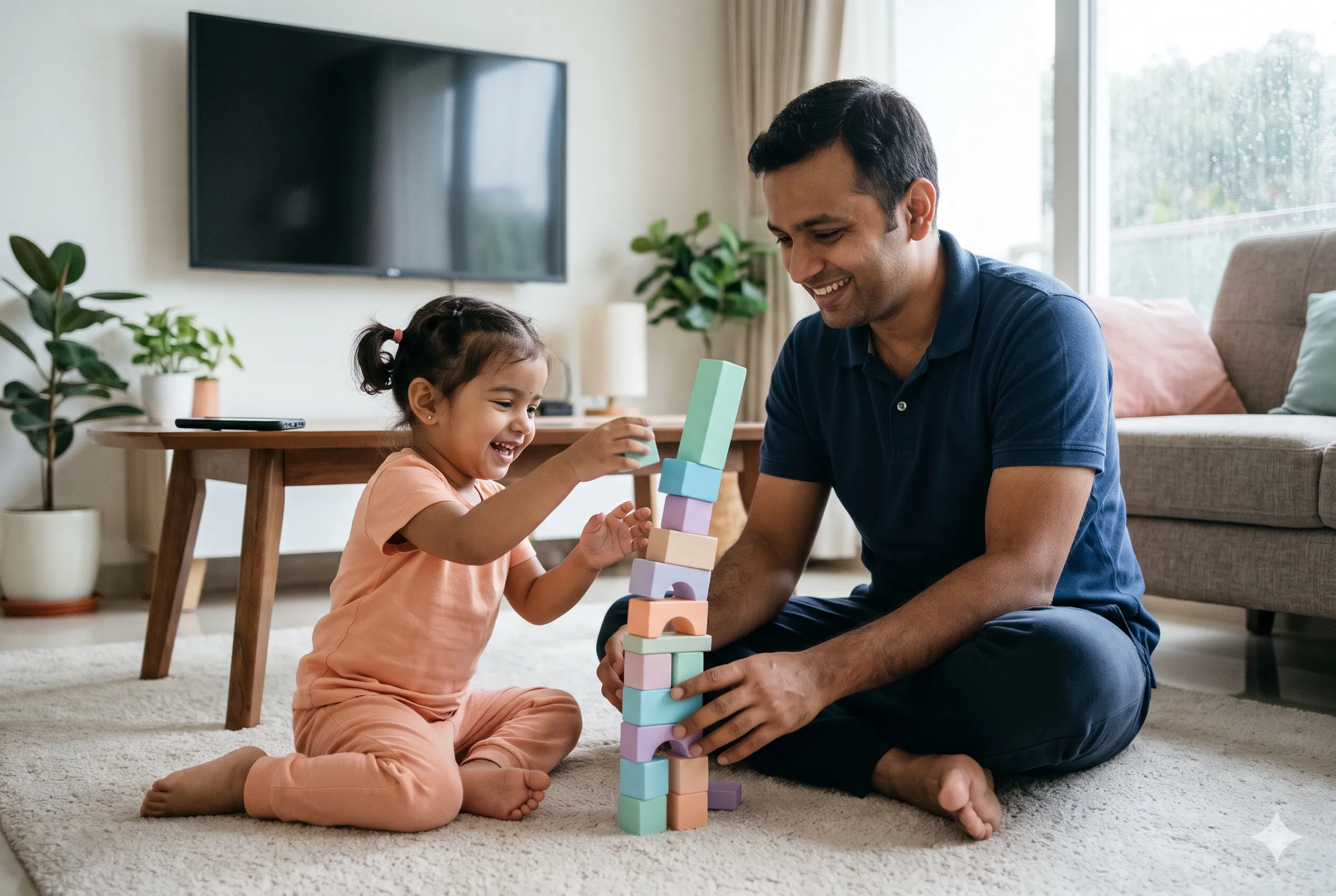
When the order of the day is familiar, children can start doing parts of it by themselves. They hang up the bag, wash hands, put on shoes, wipe the table. Each small job done without help brings the quiet pride of “I did it myself”.
This fits well with Montessori-based learning, which Crossmaze uses: children work with hands-on materials at their own pace, and take care of their own space. A predictable day gives that independence a safe frame.
At home, try a simple morning and evening pattern:
Choose which steps your child can do alone, and let them. It will take longer at first, but it is worth the extra minutes.

Children settle best when the rhythm at home and at school feels like one story. Crossmaze's thematic curriculum brings language, numbers, social skills and physical development together in every theme. A clear rhythm at home supports that kind of steady learning, and you can build it in simple ways.
A routine is a frame, not a cage. The aim is a child who feels safe, not a day run by the clock.
Tour the classrooms, meet the teachers and find the right program for your child.
Simple, calm habits for the cooler months: washing hands well, covering coughs, enough sleep and knowing when to stay home.
What the WHO actually recommends for under-fives, plus easy swaps, screen-free zones and rainy-day ideas for a busy Indian home.
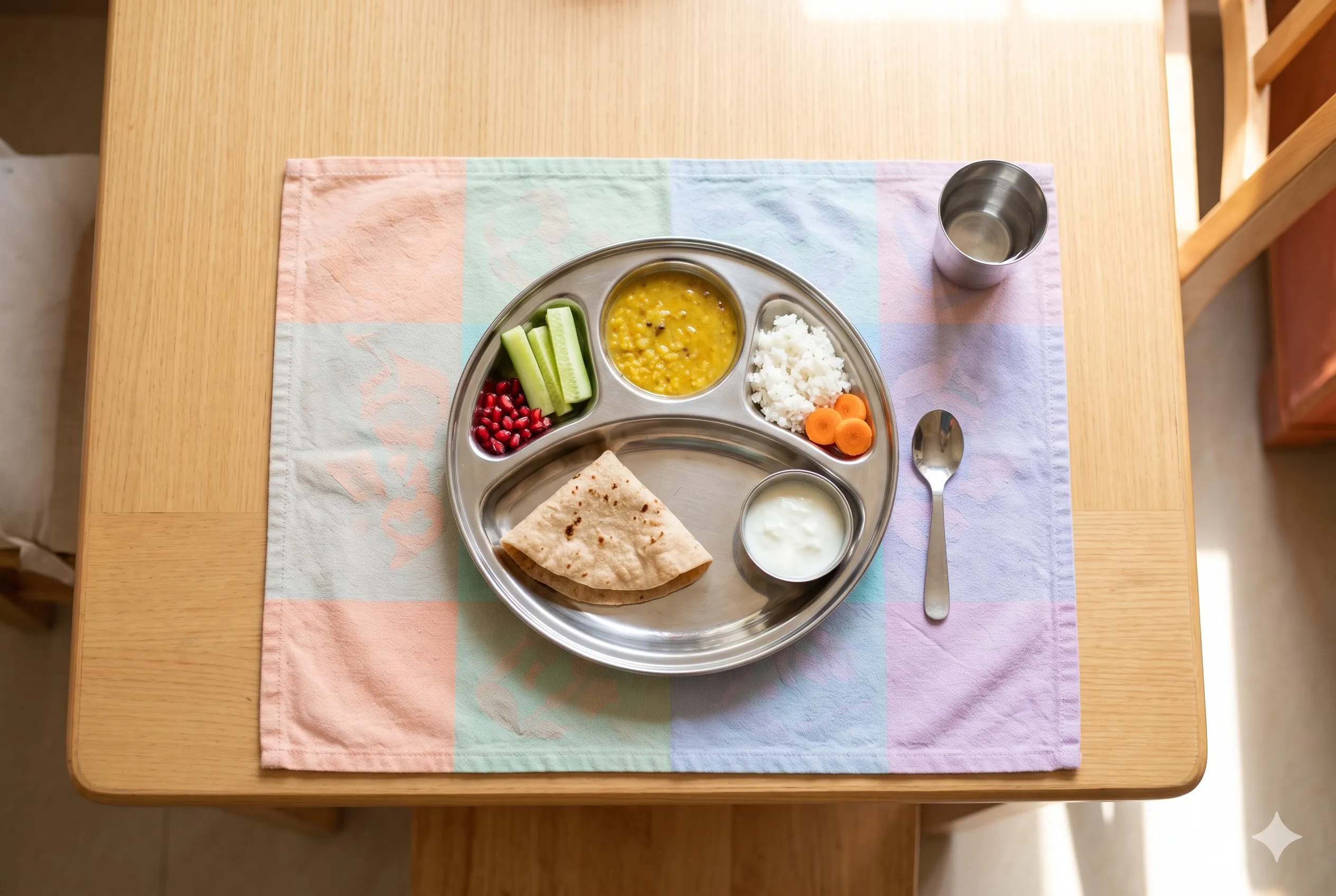
Calm, no-pressure ideas for the child who pushes the beans to the side: small portions, eating together and a colourful thali.