Choosing a preschool: what to look for and what to ask
Visiting preschools? What to look for in the rooms, the questions worth asking, and why your own gut feeling counts.
Simple, calm words and everyday habits that help children aged two to six understand body safety and know they can always tell you.
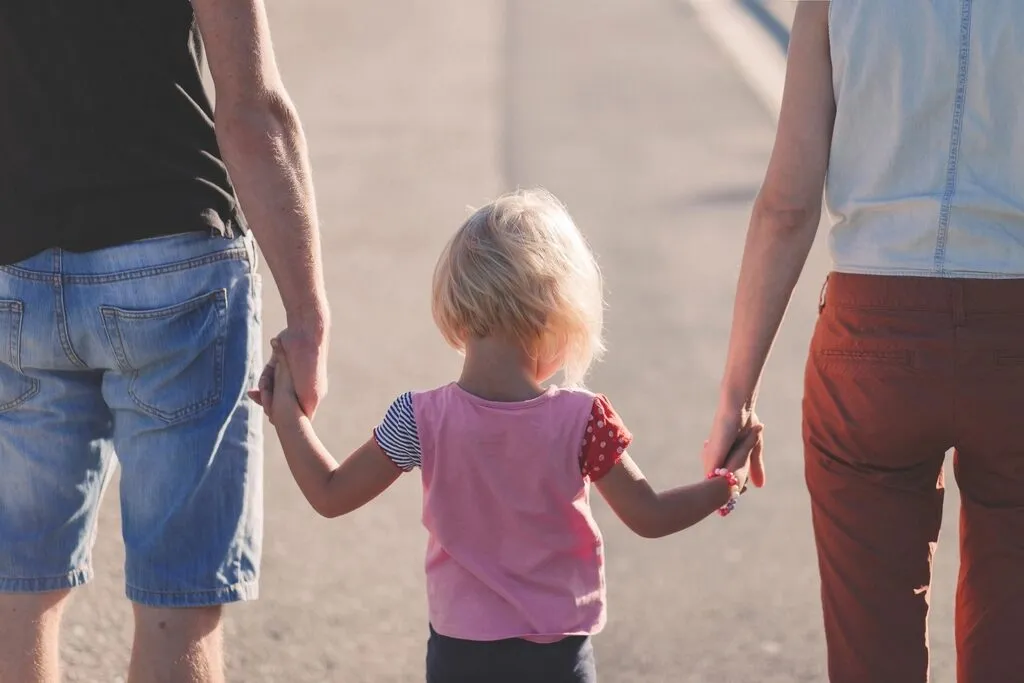
Bath time, a cuddle with a cousin, a visit to the doctor: everyday moments give us easy ways to teach children about their bodies. Body safety doesn't need one big, scary talk. It grows from small, calm conversations that tell your child their body belongs to them and they can always tell you anything.
Teach the real names for every part of the body, private parts included, in the same matter-of-fact voice you use for elbow or knee. The UK children's charity NSPCC, in its PANTS guide for parents, says it is good to use the correct names if you are comfortable doing so. A child who has the words can tell you clearly if something is wrong, and words said without embarrassment send a quiet message: this is not a shameful subject, and you can talk to me about it.
Pet names are sweet, but they can confuse a teacher, a doctor or a grandparent who is trying to understand what a child means. Bath time and getting dressed are natural moments to practise.
A simple way to explain private parts is the swimsuit rule: the parts of your body that a swimsuit covers are private. The Council of Europe's Underwear Rule and the NSPCC's PANTS guide use the same idea, with underwear in place of a swimsuit. Explain it plainly:
Then explain the exceptions, so the rule makes sense in real life. While your child is small, mum, dad or a carer you have chosen may help with washing or the toilet. A doctor or nurse may need to check, with mum or dad there; they should explain why and ask first.
You can describe a safe touch as one that feels kind and okay, like a high five, holding hands to cross the road, or a hug they wanted. An unsafe touch is one that hurts, feels confusing or uncomfortable, touches private parts, or comes with a request to keep it secret. Make it clear that the rule is the same for everyone, including people your child knows and loves.
Children whose no is respected at home learn that their voice counts.
Young children find the difference between a surprise and a secret easy to grasp. A surprise is something happy that everyone finds out soon, like a birthday present for Appa or a cake for Ajji. A secret is something someone tells you never to share.
Make it a family rule: we have surprises, not secrets. If any grown-up or older child ever asks your child to keep a secret from you, they should tell you, and they will never be in trouble for it. This one habit takes away a tool that people who harm children often rely on.
Consent starts with everyday affection. If your child doesn't want to hug an uncle at a family function or sit on a neighbour's lap, let them say no. Offer another way to greet people: a wave, a namaste or a high five. It can feel awkward in front of relatives, but a quiet word to grandparents beforehand usually helps.
Practise both sides. Stop tickling the moment your child says stop, and ask before you hug them now and then. Teach them to ask a friend, "Can I hug you?" and to accept a no. Children whose no is respected at home learn that their voice counts.
Help your child name three to five grown-ups they could go to if they felt unsafe or worried: perhaps mum and dad, a grandparent, an aunt, and their class teacher. Count them on one hand together. Remind your child that if one adult doesn't listen, they should keep telling the next one until someone helps.
Practise saying no in a strong, clear voice, then walking away and telling. A little role-play makes it feel like a skill rather than a fear: "What would you do if someone asked you to keep a secret?"
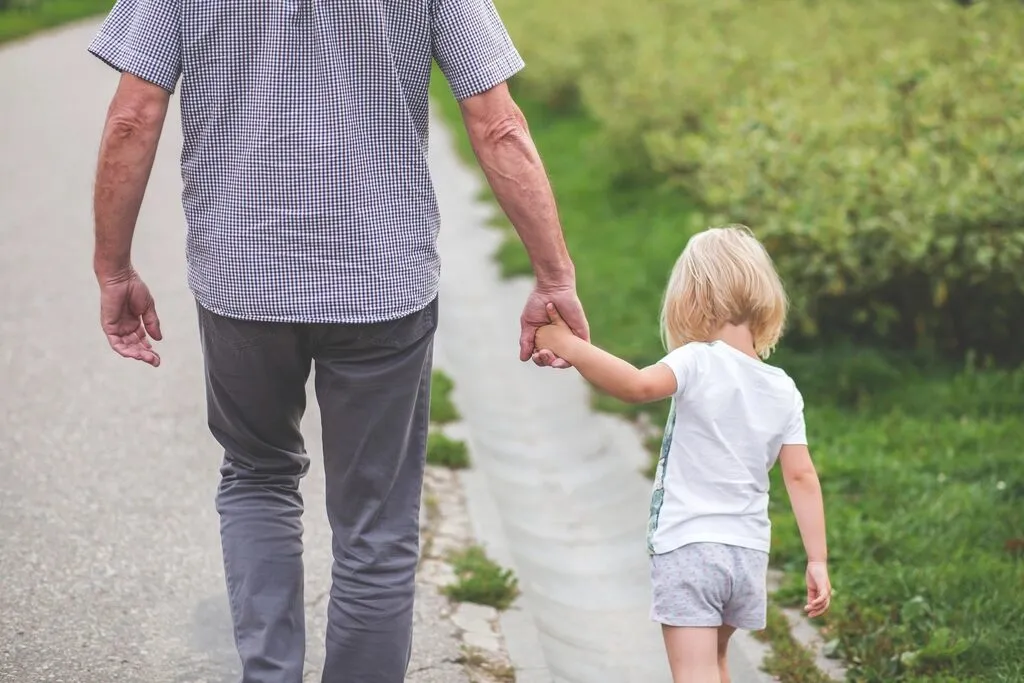
Keep it short, repeat it often and go at your child's pace.
How you react in the first few minutes matters most. Stay as calm as you can, even if you feel shaken inside.
In India, you can call the free Child Helpline on 1098, day or night. If a child is in danger right now, call 112, the national emergency number. Talk to your paediatrician too; they can check your child and point you to the right support.
Body safety works best as a quiet thread through ordinary days, not a single lecture. Read a picture book about feelings, ask "How did that make you feel?" after a playdate, and notice when your child speaks up for themselves.
A good preschool will be happy to talk to you about how it keeps children safe. At Crossmaze we want every child to feel cherished and respected, and we are happy to answer your questions about safety when you visit.
Tour the classrooms, meet the teachers and find the right program for your child.
Visiting preschools? What to look for in the rooms, the questions worth asking, and why your own gut feeling counts.
Calm, no-pressure ideas for the child who pushes the beans to the side: small portions, eating together and a colourful thali.
Meltdowns are a normal part of growing up. Calm, simple ways to help children aged 2 to 6 name their feelings and find their way back to calm.